Calm your skin quickly after facial waxing with gentle care and soothing remedies. Learn how to reduce redness, prevent bumps, and restore smoothness with simple at-home tips that actually work.
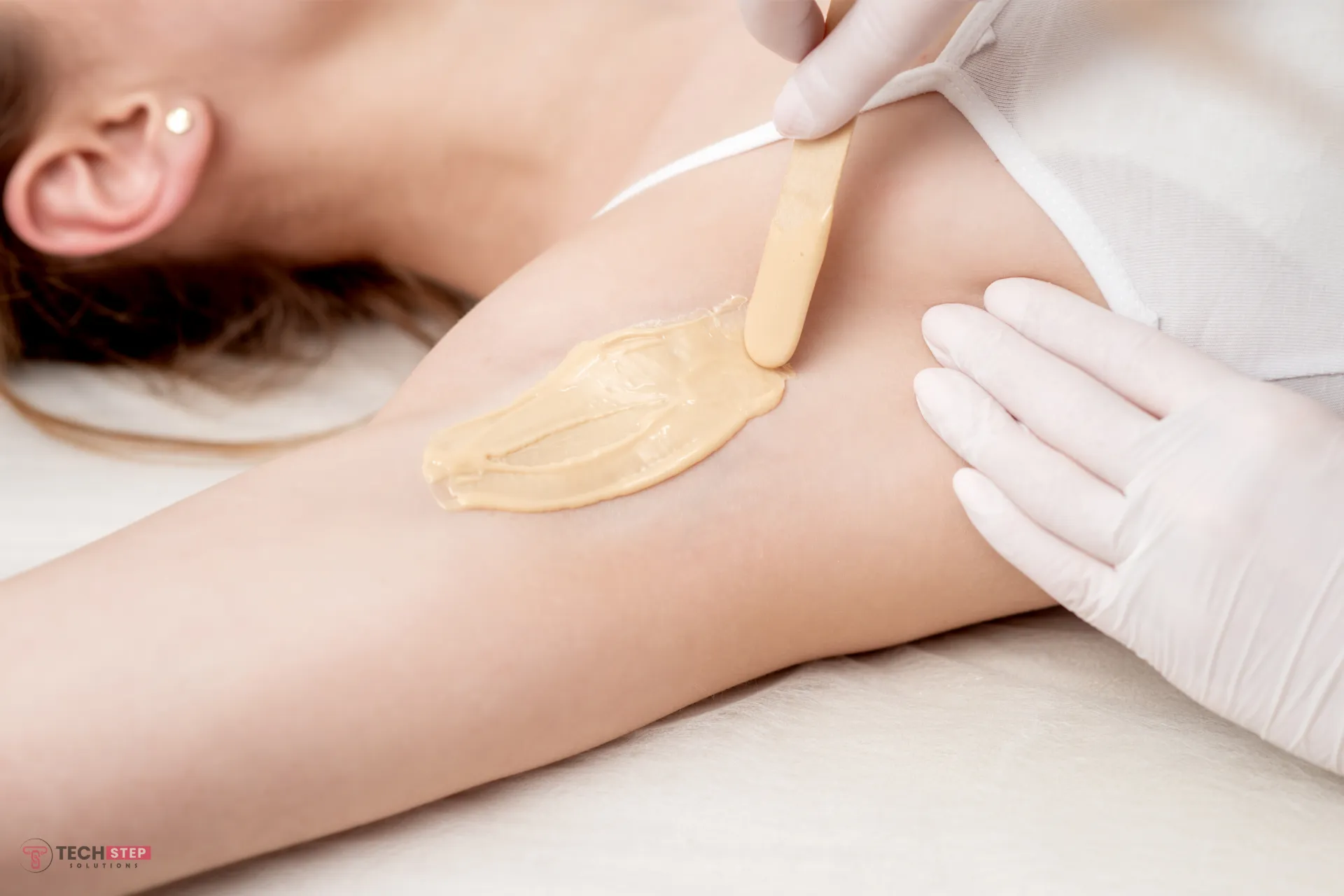
Getting a rash after facial waxing is common, especially on sensitive spots like the cheeks or upper lip. The skin is thin and reacts fast to heat, friction, and pulling. Redness, bumps, itching, or a burning feeling can appear soon after waxing, but most reactions are temporary and easy to manage. Many people look for how to get rid of waxing rash on face because the irritation can feel uncomfortable and sudden.
Cooling the skin, avoiding harsh products, and using soothing ingredients help calm irritation quickly. Small aftercare steps can speed healing and stop the rash from getting worse. With the right routine, you can reduce discomfort and prevent future flare-ups after waxing.

Many people get rashes after waxing on face, especially when the skin is naturally sensitive. Waxing removes hair from the root, and that action puts pressure on the top layer of skin. If the wax is too hot or pulled too slowly, the skin can react with redness or bumps. The face is more delicate than other areas, so even a small mistake during hair removal can lead to irritation.
Another reason is minor skin damage that happens when the strip is removed. If the skin is dry, not cleaned well, or already inflamed, the reaction becomes stronger. Open pores can trap bacteria, sweat, or leftover makeup, leading to bumps and redness. Using harsh products or waxing the same spot more than once can also make the skin react. Sensitive skin needs gentle handling to avoid these triggers.

A rash after face waxing can show up in different ways. Some people get flat redness or tiny red bumps within minutes. The skin may feel itchy, warm, or sore, especially if it was dry before waxing. In some cases, the area looks uneven or blotchy and becomes sensitive to touch.
A rash after lip wax is even more common because the upper lip is very delicate. Mild swelling, burning, or redness can spread beyond the waxed spot. If bumps or irritation last longer than a day, the skin needs attention. Swelling, heat, or whiteheads can appear when pores stay open. Treating the area early helps stop the rash from getting worse.
Getting bumps after waxing lip is common, but quick care can calm the skin fast. Start by placing a cold compress or ice pack over the affected area for a few minutes. This helps reduce swelling and redness without irritating the skin. Avoid rubbing, scratching, or using strong cleansers. A thin layer of aloe vera gel or rose water can also cool and soothe the skin gently.
If an upper lip wax rash appears, leave the area makeup-free and untouched for a few hours. Apply a non-comedogenic moisturizer to protect the skin and prevent dryness. If itching starts, a cool compress or diluted tea tree water can help. These small steps ease irritation and stop the bumps from turning into breakouts. Early care makes healing faster and keeps the skin from getting worse.
If you notice a wax rash on face or irritation after hair removal, a few gentle home remedies can help calm the skin. Here are simple steps you can follow:
Wrap an ice pack in a thin cloth and place it on the irritated area for a few minutes. This helps reduce redness, swelling, and burning.
Once the initial redness settles, apply a warm compress to the skin. It improves blood flow and helps the skin recover without clogging pores.
Both options cool the skin and reduce discomfort. Aloe vera also helps with healing and dryness.
Hands carry bacteria that can make post-waxing rashes worse. Let the skin rest without friction.
This protects the skin barrier and prevents dryness or flaking while it heals.
These easy steps help reduce irritation and keep the skin comfortable after waxing.

To calm a skin rash after waxing, choose products with gentle, soothing ingredients. The right formula can reduce redness, itching, and irritation without clogging pores. Always look for labels that mention fragrance-free and non-comedogenic moisturizer to prevent further reactions on freshly waxed skin.
Using these ingredients in a non-comedogenic moisturizer helps the skin recover quickly and safely after waxing.

Preventing a rash after waxing face begins before the session. Gently exfoliate a day earlier to remove dead skin cells so the wax sticks to hair, not skin. Avoid harsh scrubs, acids, or retinol, since they make the area more reactive. If your skin is sensitive, apply a light, fragrance-free moisturizer the night before to keep it balanced.
After waxing, focus on sensitive skin care to avoid irritation. Don’t touch the area with unwashed hands because bacteria can cause bumps and redness. Use a soothing gel or non-comedogenic moisturizer to hydrate without blocking pores. Skip makeup, heat, and tanning for at least a day. Preparing and protecting the skin helps prevent flare-ups and keeps it smooth.
Some everyday actions can quietly increase skin damage after waxing. Touching or scratching the face spreads bacteria and makes redness last longer. Hot water on freshly waxed skin also opens pores and causes more swelling.
Certain irritation triggers go unnoticed. Wearing makeup too soon blocks pores and traps sweat. Even tight masks or friction from clothing can irritate sensitive skin.
Simple product mistakes make things worse. Using scented lotions or alcohol-based toners stings and dries the area. Skipping patch tests with new products can lead to flare-ups. Gentle, fragrance-free skincare helps skin recover faster.
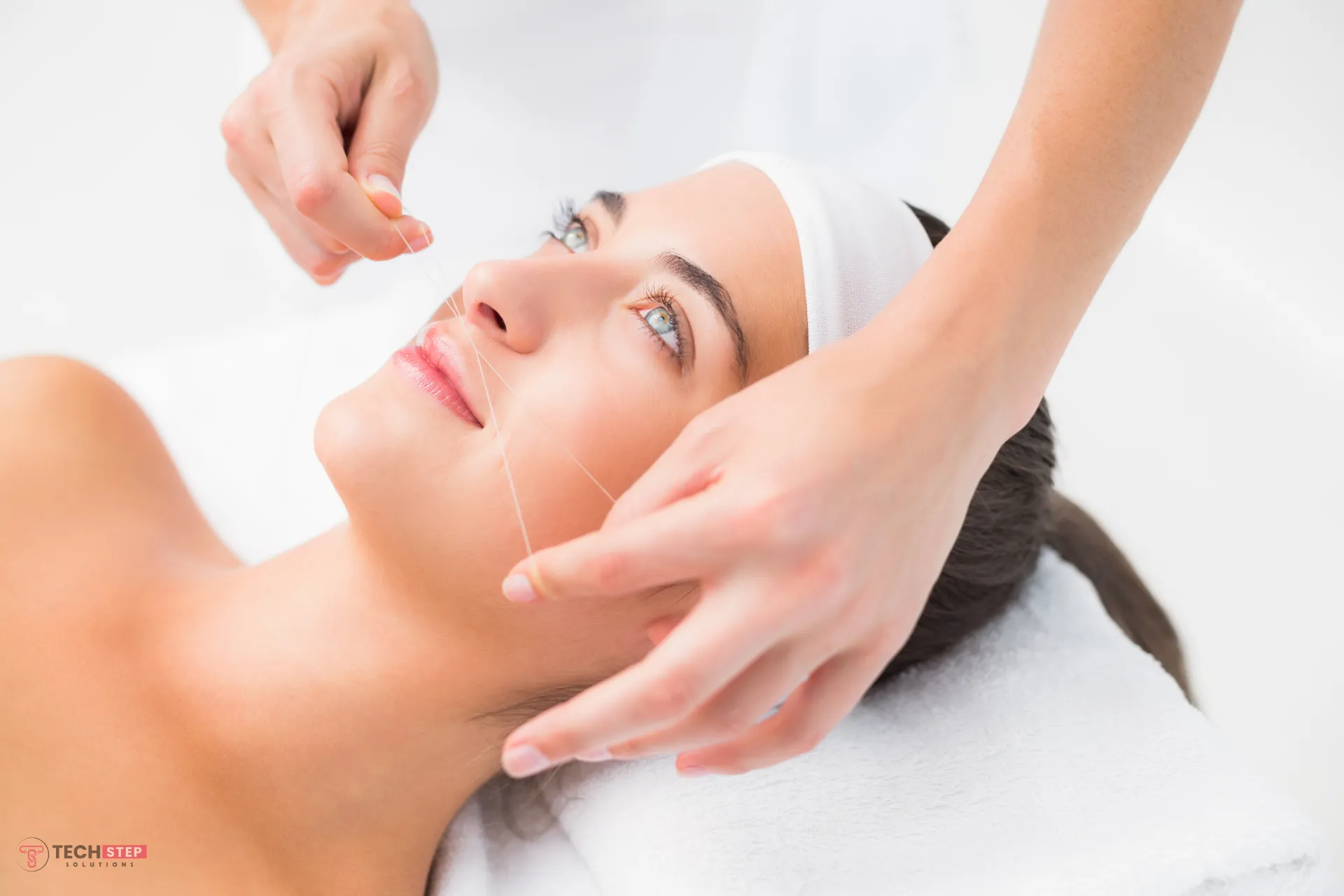
If your skin reacts to waxing, switching to gentle hair removal methods can help. Threading works well for areas like the eyebrows or upper lip because it removes hair without products touching the skin. Dermaplaning is another soft option that clears peach fuzz and surface cells without pulling at the pores. For quick, low-irritation touch-ups, facial trimmers are also a safe choice.
Prevention matters just as much as the method. Clean the skin before removing hair to avoid redness and clogged pores. Afterward, apply a fragrance-free moisturizer to protect delicate areas. A cold compress can control swelling and soothe irritation before it spreads. Skip scrubs, retinol, and strong treatments right before or after hair removal. With the right care and approach, you can stay smooth without triggering rashes.

Most mild rashes disappear in one to three days with proper care. Keeping the area clean and moisturized speeds up healing. Avoid makeup, rubbing, and heat during this time.
Exfoliate gently a day before to clear dead skin cells and prevent clogged pores. Make sure your face is clean and dry before waxing. Afterward, use a light, fragrance-free moisturizer to soothe the skin.
Yes, sensitive skin reacts more easily to pulling and heat. Using low-temperature or hard wax can reduce irritation. Testing a small patch first helps prevent flare-ups.
Apply a cold compress or ice pack wrapped in a soft cloth. Use a soothing, fragrance-free gel or cream to calm swelling. Do not rub or apply harsh products.
Place a cold compress on the area right after waxing. Apply a non-comedogenic moisturizer to ease irritation. Avoid sun exposure, hot water, and scented products until the redness fades.

Managing irritation after waxing is easier when you understand what your skin needs. Keeping the area clean, cool, and moisturized helps calm redness before it spreads. Avoiding harsh products, makeup, and heat gives your skin time to recover without extra stress. At Abys Salon, we ensure proper Facial Waxing techniques to minimize irritation and protect sensitive skin.
If rashes appear often, switch to gentle hair removal options or change your prep routine. Simple steps like exfoliating earlier, choosing fragrance-free products, and using cold or warm compresses can prevent flare-ups. Pay attention to how your skin reacts after each session. With the right habits and care, you can enjoy smooth skin without constant irritation or discomfort.
EXCELLENTTrustindex verifies that the original source of the review is Google. Threading amazingly done by Uzma.Posted on GoogleTrustindex verifies that the original source of the review is Google. Uzma is the best she always does a great job on eyebrows 👌🏾👌🏾👌🏾👌🏾Posted on GoogleTrustindex verifies that the original source of the review is Google. Very very affordable! Everybody is so nice I been coming here for a while now to get Brazilians and eyebrows always leave happy :)Posted on GoogleTrustindex verifies that the original source of the review is Google. Great customer service, wait time was reasonable and was able to get a trim with layers, eyebrow and upper lip threading done and was out in under 45 minPosted on GoogleTrustindex verifies that the original source of the review is Google. They always do a great jobPosted on GoogleTrustindex verifies that the original source of the review is Google. This is the best eyebrow threading in the area! They are thorough and priced just right!! Seema does absolutely amazing and consistent shaping of my brows every time.Posted on GoogleTrustindex verifies that the original source of the review is Google. Great experience, Sima is super sweet and does everything very well!
About Us
 .
.